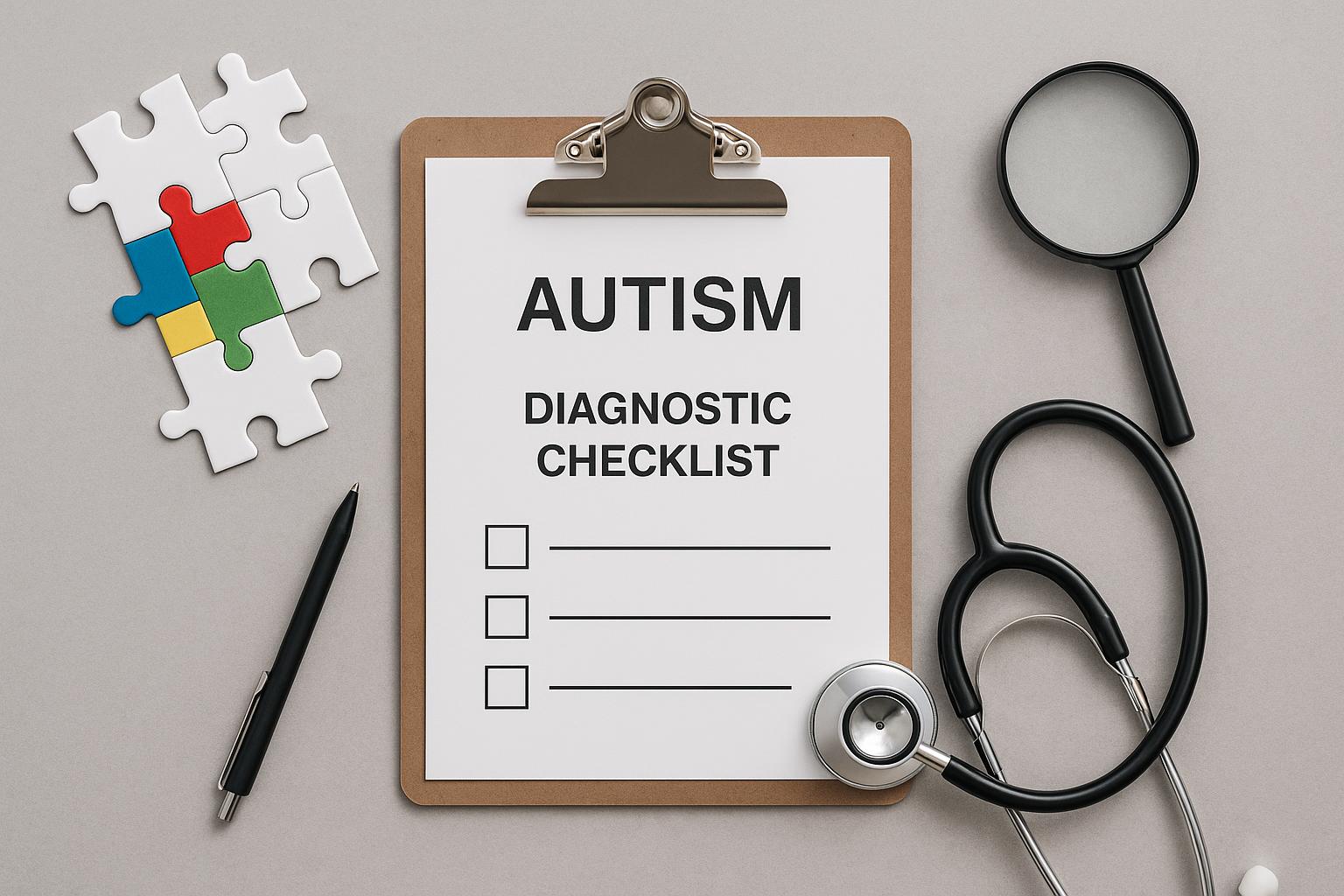
Dr. Robert Harden, a Texas-based psychiatrist with more than 40 years of clinical experience, has dedicated his career to evaluating and treating children, adolescents, and adults with complex mental health needs. Trained at Timberlawn Psychiatric Hospital, where he completed both general psychiatry residency and a fellowship in child and adolescent psychiatry, Robert Harden, MD, has led inpatient youth programs, overseen psychiatric services for state agencies, and operated a long-standing private practice. Now a psychiatric consultant with Compassionate Psychiatric Services, he provides diagnostic assessments, treatment planning, and supervision for clinical teams. With extensive experience in neurodevelopmental disorders—including autism—Dr. Harden understands the detailed process clinicians use when determining whether a child meets diagnostic criteria. Drawing on this background, he explains what doctors look for before diagnosing autism and how families can expect evaluations to unfold.
What Doctors Look for Before Diagnosing Autism in Children
Parents often raise concerns when a child’s development differs from that of peers. They may notice delayed speech, reduced eye contact, repetitive behaviors, or limited gestures such as pointing or waving. These signs do not automatically indicate a condition, but doctors look more closely when traits persist and disrupt daily interactions. A structured evaluation helps determine whether the behaviors reflect typical variation or a neurodevelopmental difference, such as autism.
Autism spectrum disorder is a developmental condition that affects how a child communicates, relates to others, and responds to change. Doctors base diagnosis on observed behavior, not on blood tests or imaging. Clinicians examine how patterns appear over time and across settings, and whether they limit a child’s ability to engage, learn, or build relationships.
Evaluation typically starts with caregiver interviews. Doctors ask about early milestones, social engagement, and everyday communication. Families often describe individual signs that seemed isolated at first but form a clearer pattern when viewed together. Clinicians use these reports to target the assessment and frame follow-up questions.
During office visits, doctors observe behavior directly. They look for joint attention, responses to verbal cues, and reactions to play-based prompts. The aim is to see whether the child shows age-expected social behaviors or disengages during structured interaction. Clinicians then compare these observations with age-expected milestones.
At regular checkups, pediatricians sometimes use short questionnaires to spot early signs that a child may need a closer look. These forms ask caregivers simple questions about how the child plays, responds, and communicates day to day. A “positive” result does not mean the child has autism. It means the child should get a full evaluation by specialists who make that diagnosis. Using these quick screens helps teams notice concerns sooner, so families can get support without waiting for bigger delays.
In many cases, clinicians add standardized tools to support their impressions. These may include caregiver questionnaires or interactive tasks that assess communication, adaptability, and social initiation. The tools help document specific traits and align them with age-based benchmarks. Clinicians treat these results as one component of a broader clinical picture.
Before confirming a diagnosis of autism, doctors examine other explanations for the behavior. They consider hearing loss, speech delays unrelated to autism, medical conditions, and environmental factors. Clinicians rule out alternative causes to avoid mislabeling behaviors that may improve with targeted support. They structure the evaluation to prevent premature conclusions.
Additional specialists often contribute to the assessment. Speech-language pathologists evaluate expressive and receptive communication, and occupational therapists study motor development and sensory preferences. Pediatric neurologists join when medical concerns arise. A clinician with autism-evaluation expertise, such as a developmental-behavioral pediatrician, psychologist, or psychiatrist, may coordinate the team and integrate findings across disciplines.
Clinicians make the diagnosis only when behavior patterns are consistent, begin early in development, and clearly affect daily functioning. They confirm that no other condition better explains the traits and that those traits appear in multiple environments. The diagnostic decision draws on history, direct observation, and corroborating input.
After diagnosis, doctors help families take practical next steps. They make referrals for early intervention, school evaluations, therapy services, and follow-up medical care. Care plans start with current needs and adjust as developmental stages shift. Medical and educational teams often continue coordinating care through childhood.
A well-documented evaluation also supports long-term coordination. When clinicians identify autism early and record findings clearly, that documentation helps providers and schools plan supports across settings over time. Families can rely on the record as a consistent reference point during future assessments, eligibility reviews, and service transitions.
About Robert Harden
Dr. Robert Harden is an experienced psychiatrist specializing in child, adolescent, and adult mental health. With more than four decades of clinical practice, he has led inpatient youth programs, overseen psychiatric services for state agencies, and provided long-term private practice care. Now a consultant with Compassionate Psychiatric Services, he continues to evaluate neurodevelopmental conditions, supervise clinicians, and guide families through complex diagnostic processes. Outside work, he enjoys sports, meditation, and book club activities.