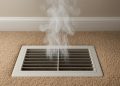
Most homeowners think about comfort when they think about their heating system, not their health. But the condition of your furnace, ductwork, and airflow can directly affect the air you breathe every day. In many cases, issues that seem to require furnace repair are also early warning signs of deeper indoor air quality and health concerns developing inside the home.
Indoor Air Quality And Health Explained
Indoor air quality refers to the condition of the air inside your home, including the concentration of airborne particles and gases, humidity levels, ventilation effectiveness, and how well contaminants are removed or diluted. It’s the overall freshness of the air you breathe every day, and it directly shapes indoor air quality and health outcomes over time.
You breathe roughly 15,000-20,000 liters of air daily, and for most people, about 90% of that happens indoors. Your home isn’t just shelter, it’s your primary breathing environment. Indoor air isn’t background atmosphere; it’s an active environmental input affecting your body every minute you’re home, influencing indoor air quality health effects in ways that are often subtle at first.
Modern homes are built tighter than ever. That improves energy efficiency but reduces natural air exchange. When ventilation is limited, pollutants don’t dissipate, they accumulate. The air inside modern homes is often two to five times more polluted than outdoor air, increasing the likelihood of health effects of poor indoor air quality developing gradually.
Your lungs don’t filter air the way a water filter treats tap water. Whatever is suspended in your indoor air, microscopic dust, combustion gases, chemical vapors, is inhaled directly into delicate lung tissue, and from there pollutants can enter the bloodstream. The effects of indoor air quality on human health aren’t always immediate. It’s repeated, low-level exposure that can quietly strain the respiratory system, disrupt sleep, aggravate allergies, affect cognitive clarity, and increase long-term health risks.
Good IAQ supports immune function, respiratory health, sleep quality, and mental clarity. Poor IAQ quietly stresses your body every day, even if you don’t immediately feel sick, contributing to long-term indoor air quality effects on health that many homeowners overlook.
How Does Indoor Air Quality Affect Our Health?
Poor indoor air quality doesn’t usually show up as a dramatic illness. It shows up as subtle daily friction and influences how you feel day to day, often in ways people don’t immediately connect to air. These are real indoor air quality health effects, even when they feel minor.
You might notice brain fog during work, difficulty concentrating, afternoon headaches, waking up congested, irritated eyes, worsened allergy symptoms, irritability, fatigue, restless sleep, or reduced focus while working from home. The impact isn’t always dramatic. It’s cumulative, and these patterns reflect common health effects of poor indoor air quality in residential environments.
Poor ventilation can raise carbon dioxide levels, which may reduce concentration and mental clarity. In homes with high carbon dioxide due to inadequate ventilation, cognitive performance can measurably decline. Elevated particulate matter can increase inflammation in the airways. Low humidity in winter can dry out nasal passages and irritate the respiratory tract, making you more susceptible to infection. Excess humidity can encourage mold growth, worsening respiratory irritation and contributing to poor indoor air quality health effects that persist throughout the year.
Over time, this affects productivity, especially for remote workers, sleep recovery, athletic performance, children’s focus in school, and mood regulation. The indoor air quality effects on health extend beyond respiratory symptoms and influence how well your body functions overall.
Indoor air quality isn’t just about disease prevention. The effects of indoor air quality on human health directly shape how you function every day.
Indoor Air Quality Health Effects To Watch For
The tricky part is that indoor air quality–related symptoms often mimic common conditions. Indoor air quality health effects tend to follow patterns rather than isolated events.
Watch for symptoms that improve when you leave the house, worsen in certain rooms, or appear during specific seasons, especially heating or cooling season. If multiple household members experience similar issues, indoor air quality and health connections should be considered.
Common health effects of poor indoor air quality include persistent coughing without illness, wheezing or shortness of breath indoors, aggravated asthma, chronic sinus congestion, frequent sore throats in winter, eye irritation, dry or itchy skin, eczema flare-ups, repeated respiratory infections, headaches that improve when you leave the house, and unexplained fatigue that feels worse indoors.
Excessively dry air can contribute to skin irritation and respiratory discomfort, while mold exposure may trigger allergy-like symptoms year-round rather than seasonally. These patterns are classic poor indoor air quality health effects that are often misattributed to other causes.
More serious long-term exposure to pollutants such as radon, combustion gases, or mold spores can contribute to chronic respiratory issues or other systemic problems. The long-term indoor air quality effects on health may not be obvious at first but can accumulate over years.
The key insight is simple: if symptoms are consistent at home but not elsewhere, your air may be the trigger.
Heating Systems And Health Effects Of Poor Indoor Air Quality
Heating systems play a bigger role than most homeowners realize. They don’t just warm the home, they directly shape airflow, humidity, and contaminant movement, actively influencing indoor air quality and health inside the living space.
In forced-air systems, the furnace heats air and redistributes it throughout the home. If filtration is inadequate or filters are clogged, airborne particles circulate repeatedly rather than being removed. Dust, pet dander, mold spores, pollen, bacteria, and fine particulate matter can remain suspended and continue moving through living spaces, amplifying indoor air quality health effects over time.
Gas-powered heating systems introduce another variable: combustion. If venting is compromised or maintenance is neglected, combustion byproducts such as carbon monoxide, nitrogen dioxide, or formaldehyde may enter the living space. Even small amounts can cause headaches, dizziness, and respiratory irritation, clear health effects of poor indoor air quality that require immediate attention.
Heating also reduces indoor humidity during winter. When relative humidity drops too far, airways become irritated, mucous membranes dry out, and the body’s natural defenses in the nose and throat weaken. This increases susceptibility to viruses and can aggravate eczema, sinus issues, static buildup, and dust suspension, further contributing to poor indoor air quality health effects.
Dirty ductwork adds another layer of risk. Accumulated debris in ducts can become an ongoing source of airborne particles that the system continues to circulate, intensifying the effects of indoor air quality on human health.
A heating system doesn’t create all indoor air problems, but it can amplify them.
Pollutants Behind The Effects Of Indoor Air Quality On Human Health
Several categories of pollutants commonly affect indoor air quality and health. Biological contaminants such as mold spores, dust mites, pet dander, bacteria, and viruses can trigger allergies and asthma symptoms and are responsible for many indoor air quality health effects seen in homes.
Combustion pollutants include carbon monoxide, nitrogen dioxide, and particulate matter (PM2.5 and PM10), often produced by gas stoves, furnaces, fireplaces, cooking, smoke, or attached garages. These microscopic particles can penetrate deep into the lungs and contribute to measurable indoor air quality effects on health.
Volatile organic compounds (VOCs) are chemical vapors released from paint, furniture, flooring, cleaning products, and other building materials. Substances such as formaldehyde and benzene fall into this category. VOC exposure represents another example of the health effects of poor indoor air quality that may build slowly with chronic exposure.
Radon is a naturally occurring radioactive gas that can enter through foundation cracks and is a leading cause of lung cancer among non-smokers, one of the most serious examples of the effects of indoor air quality on human health.
Carbon dioxide (CO₂) is not toxic at typical household levels, but elevated concentrations often indicate poor ventilation and may impair cognitive performance, highlighting the connection between indoor air quality and health even in less obvious ways.
Indoor air pollution is rarely caused by a single source. Problems usually result from a combination of pollutants interacting with ventilation and humidity conditions.
Who Faces Poor Indoor Air Quality Health Effects
While everyone is affected by indoor air quality, certain groups are more vulnerable to poor indoor air quality health effects. Infants and young children, whose lungs are still developing, are particularly sensitive. Children also breathe more air relative to their body weight than adults, increasing their exposure and potential indoor air quality health effects.
Older adults, especially those with underlying health conditions, may have reduced respiratory resilience. Individuals with asthma, COPD, or allergies can experience stronger reactions even at moderate pollutant levels, common health effects of poor indoor air quality in susceptible populations.
Immunocompromised individuals and pregnant women are also more sensitive to indoor air pollutants, reinforcing how strongly indoor air quality and health are linked in higher-risk households.
Pets are often the first to show symptoms, partly because they spend more time near floors where dust and particles settle.
If someone in your household fits one of these categories, indoor air quality becomes even more critical, as the indoor air quality effects on health can escalate more quickly.
Indoor Air Quality And Health Warning Signs
Look for red flags that suggest indoor air quality may be contributing to health or comfort issues. Symptoms that improve when you leave home, especially during heating or cooling season, are a common signal of developing indoor air quality health effects.
Headaches when the furnace or other heating equipment runs, increased allergy flare-ups indoors compared to outdoors, or persistent unexplained respiratory irritation are classic health effects of poor indoor air quality.
Environmental clues often appear alongside health symptoms. Musty odors, visible mold growth, or recurring condensation on windows point to moisture or ventilation problems. Rooms that feel stuffy or have “heavy” air can indicate poor airflow, while frequent filter clogging may suggest excess airborne particles that worsen indoor air quality effects on health.
Another overlooked warning sign is dust accumulation shortly after cleaning. Excess dust often indicates filtration or airflow issues rather than housekeeping habits and may contribute to poor indoor air quality health effects.
Patterns matter more than isolated symptoms. When multiple people in the home experience similar issues, or when symptoms consistently align with time spent indoors, the effects of indoor air quality on human health become a likely contributing factor.
Reducing Indoor Air Quality Effects On Health At Home
Instead of quick fixes, it helps to think in layers. The goal isn’t perfection, but reducing cumulative exposure over time and minimizing indoor air quality effects on health.
Improving indoor air quality generally comes down to filtration, ventilation, humidity control, and source reduction. Start with filtration by using high-quality HVAC filters that are properly sized and compatible with your system. Replace them consistently, and consider whole-home air purification systems, especially if anyone in the household has respiratory sensitivities or existing health effects of poor indoor air quality.
Ventilation plays a key role in removing stale air and pollutants. Bathroom and kitchen exhaust fans should be used during showering and cooking, and windows can be opened strategically when outdoor air quality is good. In tightly sealed homes, mechanical ventilation systems like energy recovery ventilators can help bring in fresh air while maintaining energy efficiency, supporting healthier indoor air quality and health outcomes.
Humidity management is another important layer. Keeping indoor humidity between 30% and 50% helps limit mold growth and airborne irritants. Humidifiers can be useful during dry winters, while dehumidifiers are often necessary in damp climates or basements to prevent excess moisture buildup and reduce indoor air quality health effects.
Reducing pollutant sources lowers the amount of contaminants entering the air in the first place. Using low-VOC paints and materials, storing chemicals outside living spaces, avoiding idling cars in garages, and ensuring combustion appliances are serviced regularly all reduce poor indoor air quality health effects before they begin.
Testing and monitoring can help identify issues when needed. Carbon monoxide detectors are essential, radon testing may be recommended depending on location, and air quality monitors can reveal spikes in particulate matter or VOCs that aren’t otherwise obvious, helping prevent long-term indoor air quality effects on health.
Regular HVAC maintenance ties all of these layers together. Annual inspections, duct sealing when leaks are present, and proper system sizing help maintain balanced airflow and prevent ongoing humidity or air quality problems that contribute to health effects of poor indoor air quality.
Small adjustments across these areas can significantly reduce cumulative exposure. Over time, improving indoor air quality and health conditions inside your home supports easier breathing, better sleep, improved focus, and greater overall comfort.