


A recent graduate of TTU, Ian Ferrell is a geography and environment major with a minor in geographic information systems who aims to work in the energy industry in Texas. Through internships with Plains All American Pipeline Company in Houston and Midland, he gained experience in GIS mapping, midstream oil and gas operations, field operations, pipeline maintenance, and drawing review. He also contributed to the TTU Junction Survey Project and the Comanche Trail Project, applying surveying and mapping skills to campus boundary work and historical trail documentation. Beyond his academic and professional interests in GIS, natural disaster response, historical visualization, AI mapping, and cleaner energy technology, Mr. Ferrell has volunteered more than 100 hours with food banks in Houston and Lubbock, giving him a direct connection to community food support systems.
Understanding Food Banks
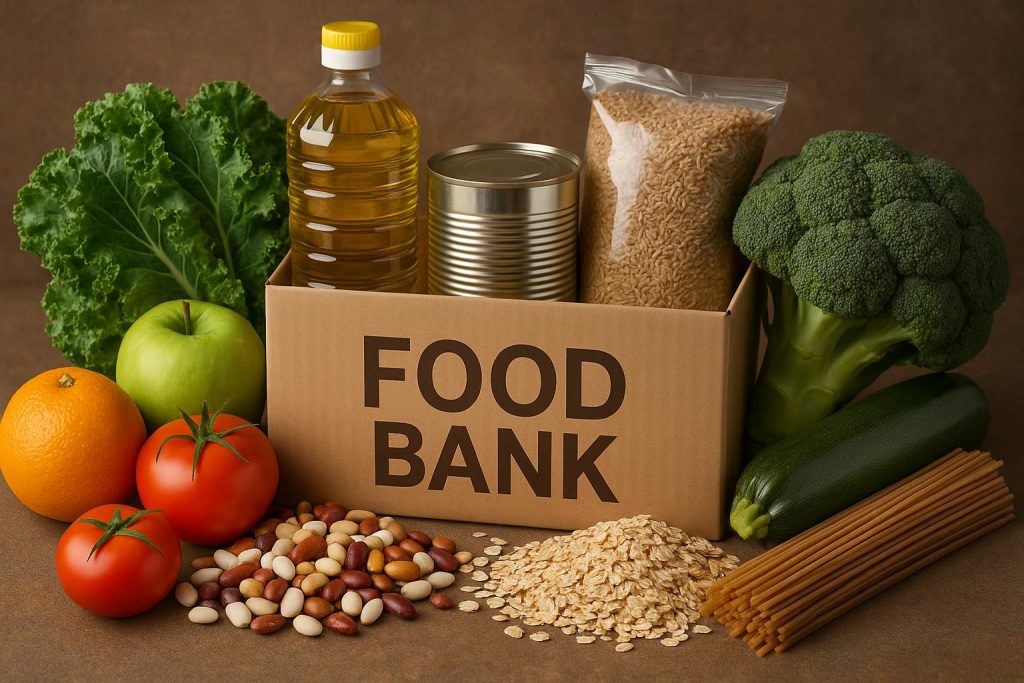
A food bank is a non-profit organization that gathers food and gives it to people who can’t afford to buy enough to eat. Food banks collect, warehouse, and distribute groceries within specific territories. These institutions link large-scale donors and local community groups. Economic pressures have increased the number of people relying on these services to meet their basic daily nutritional needs.
Understanding this system requires differentiating food banks from food pantries and soup kitchens. Food banks act as wholesalers that manage large inventories and supply food to small community outlets. These organizations feature industrial loading bays and large freezers to handle vast quantities of donated items. Thus, they focus on large-scale procurement and storage rather than direct public interaction.
Food pantries and soup kitchens, on the other hand, serve as this network’s retail arm. While pantries provide groceries for home preparation, soup kitchens offer hot meals for immediate consumption on-site. Familiar places like schools or churches usually house these smaller facilities to increase accessibility. They are the final step in getting food into the hands of the needy.
Running a food bank involves sourcing, sorting, warehousing, and distributing food. The Emergency Food Assistance Program (TEFAP) is a major supplier. Other supplies arrive from various parties, including federal initiatives, grocery retailers, and local food drives.
When supplies reach the warehouse, volunteers and staff inspect the donations for safety and nutritional quality. Workers then sort bulk items into smaller portions and pack them for delivery. This process ensures personnel handle perishable items correctly and organize shelf-stable goods efficiently. The last phase uses a fleet of refrigerated vehicles to transport supplies to food pantries and hot kitchens. Mobile pantry programs deliver supplies directly to communities with no permanent facilities.
Food banks have specific programming models to address different groups’ unique needs. There are nutritional programs for students during breaks that ensure children receive nutrition when school is not in session. Others, like Everyday Eats in Colorado, target income-qualifying senior citizens.
Aside from providing groceries, many food banks offer community outreach programs. For example, they assist clients with Supplemental Nutrition Assistance Program (SNAP) applications, job training, and health screenings. Some emerging healthcare partnerships allow doctors to prescribe specialized nutrition packages, especially for patients with chronic illnesses. These integrated services foster long-term stability and reduce future reliance on emergency aid.
Among the challenges food banks face is maintaining a balanced supply of healthy food. High transportation costs also limit the availability of raw vegetables and healthy meats compared to shelf-stable foods. Therefore, many supplies may lack the nutritional diversity required for a healthy diet.
In other cases, social stigma and feelings of embarrassment also prevent many eligible individuals from seeking help. Some usually view the act of getting food from a food bank as a personal failure instead of looking at it as a community resource.
Today, there are new trends toward dignity and community impact. Innovations in distribution models help prioritize personal dignity by implementing alternative access formats. This approach allows individuals to receive food in a grocery-style environment instead of receiving pre-packed boxes.
Organizations are also increasing their focus on culturally appropriate foods that reflect a local community’s demographics. By providing familiar staple foods and advocating for better public policy, food banks strive to address issues that directly impact food access. Ultimately, they are working toward a future where needy persons have consistent access to nutritious food.
About Ian Ferrell
Mr. Ferrell earned a bachelor of arts from TTU in December 2024, majoring in geography and the environment and minoring in GIS. He completed internships with Plains All American Pipeline Company in Houston and Midland, working in GIS and field operations. His project experience includes surveying campus boundaries and mapping newly discovered buffalo trails with West Texas Historical Association members. He is proficient in ArcGIS Pro, Survey123, Field Maps, and related GIS tools.

