


Natural hair growth is a slow process, and so is hair loss. Hair needs consistency, nutrients, and time to keep growing well. But when even one of those pieces is missing, growth slows down quietly, until one day you notice just how much thinner your hair has become.
Nutritional deficiencies are one of the most overlooked causes of hair thinning in men. They rarely cause dramatic symptoms. Hair growth simply slows. Strands grow finer. Shedding increases in small, easy-to-dismiss amounts. By the time it becomes obvious, the deficiency has often been building for months, which is exactly why it helps to understand how these deficiencies affect hair in the first place.
How Deficiencies Affect Hair Growth
Hair follicles are some of the most metabolically active cells in the body. They need a steady supply of vitamins and minerals to keep producing strong, healthy strands. When nutrient levels drop, the body prioritizes essential functions first. Hair growth, considered non-essential for survival, is one of the first processes to be scaled back.
This is why hair thinning often shows up as a delayed symptom. The deficiency existed before the visible hair loss did. That gap can span weeks or months, which makes early attention to nutrition so valuable — and makes it worth knowing what early warning signs actually look like.
Signs a Vitamin Deficiency Might Be at Play
A few subtle signals can suggest nutrition is playing a role in hair thinning. Increased shedding during showers or brushing, hair that feels noticeably weaker or more brittle than before, and slower-than-usual growth are all common early indicators. Fatigue, brittle nails, or pale skin can sometimes accompany these signs, since deficiencies rarely affect just one part of the body.
None of these signs confirm a deficiency on their own. A simple blood panel from a doctor can identify specific gaps, like low iron or vitamin D, which allows for a more targeted approach rather than guessing — and points toward which vitamins are actually worth paying attention to.
The Vitamins That Matter Most
Biotin (Vitamin B7): Often the most recognized hair vitamin. Biotin supports keratin production, the core protein that makes up hair strands.
Vitamin D: Low vitamin D levels have been linked to hair thinning in several studies. It plays a role in creating new hair follicles.
Vitamin E: An antioxidant that supports scalp circulation and helps protect hair follicles from oxidative stress.
Zinc: Involved in tissue growth and repair, including the hair follicle cycle. Zinc deficiency is one of the more common nutritional gaps linked to shedding.
Iron: While often discussed in relation to women’s hair loss, iron matters for men too, particularly those with restrictive diets or high physical activity levels.
Vitamin A: Supports sebum production, which keeps the scalp moisturized and follicles healthy. Too much or too little can both affect hair, so balance matters.
Getting these nutrients right becomes even more important with age, particularly for men entering their 30s.
Why Men in Their 30s Need Extra Support
Something shifts for many men around their 30s. Metabolism slows. Stress levels, often tied to career and family responsibilities, tend to climb. Testosterone naturally begins a gradual decline, which can influence DHT sensitivity in hair follicles.
All of this adds up to a period where the body needs more nutritional support, not less. Diet alone does not always keep pace with these changes, which is where targeted vitamins can help fill the gap — provided the right kind of vitamin is chosen.
Why Natural, Long-Term Options Make Sense
Not all hair vitamins are created equal. Synthetic, high-dose formulas can offer a quick nutrient spike, but they are not always sustainable for long-term use. Some can even cause imbalances if taken in excess, particularly with fat-soluble vitamins like A and E.
A more natural, food-derived vitamin blend tends to be gentler on the body over time. These formulations often support gut health alongside hair health, since nutrient absorption starts in the digestive system. If the gut cannot properly absorb nutrients, even a well-designed vitamin will fall short.
This connection between gut health and hair health is often underappreciated. A formula built with digestion in mind supports the entire chain, from nutrient intake to follicle delivery, rather than just adding vitamins on top of an already-struggling system. Choosing the right formula is only half the equation, though — how it’s used matters just as much.
Building a Sustainable Routine With HairSmart
Consistency matters more than intensity when it comes to hair vitamins. The hair growth cycle moves slowly, typically over two to three months per phase. That means visible results from nutritional changes often take at least three months to appear, sometimes longer.
Men looking to support their hair through vitamins should think in terms of a season, not a week. Pairing a quality vitamin routine with basic scalp care, a balanced diet, and stress management tends to produce the most noticeable, lasting results.
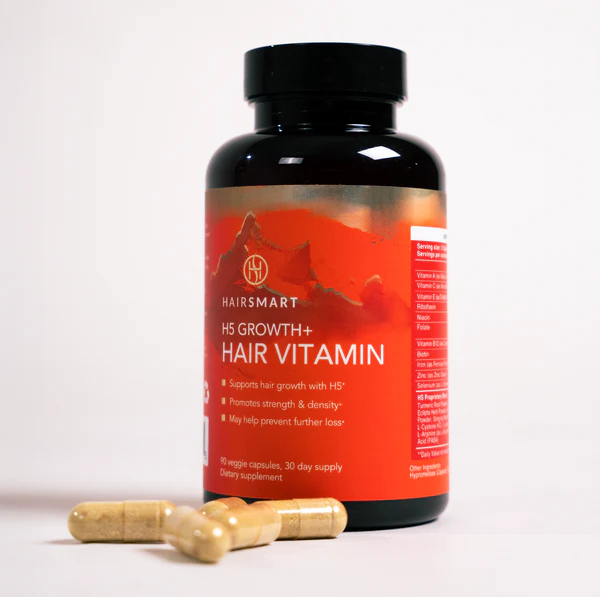
HairSmart’s hair growth vitamin was developed with this long-term view in mind. It combines the core nutrients tied to hair strength — biotin, vitamin D, zinc, and iron among them — in a fully natural formula designed for extended use without disrupting gut health.
For men noticing early signs of thinning, or simply looking to support their hair proactively, a well-formulated vitamin routine offers a low-risk, evidence-based place to start.

