


Daniel Matuk is a New York City-based freelance graphic designer with a strong background in creating both digital and print marketing materials for a wide range of clients, including cultural institutions and marketing agencies. Since launching his freelance career in 2010, he has developed expertise in brand design, typography, UX design, and publication development while collaborating across departments to deliver cohesive visual solutions. Alongside his professional work, Daniel Matuk maintains a personal interest in vegetable gardening, which connects directly to the topic of beginner-friendly gardening. His hands-on experience tending to his own garden complements his disciplined, detail-oriented approach, offering a practical perspective on selecting and cultivating easy-to-grow vegetables at home.
Easy-to-Grow Vegetables for Beginner Gardeners
Studies show that nine in 10 adults fail to meet federal recommendations for daily fruit and vegetable intake. Health professionals advise American adults to consume a combined six servings of fruits and vegetables each day, which they can achieve by having one serving with breakfast, two with lunch, and three spread across daily snacks and dinner. Part of the reason for this disparity is cost – over two-thirds of Americans say they are struggling to keep up with grocery prices, and eating healthy foods can be especially costly. With these challenges in mind, Americans may consider starting their own vegetable garden.
Individuals can enjoy many benefits from growing their own vegetables. Homegrown vegetables are fresh, nutrient-rich, and cost-effective. Gardeners also have complete control over what types of chemicals they expose the vegetables to, not to mention the convenience of having a grocery aisle right outside the door. That said, some vegetables are harder to grow than others. Individuals with limited gardening experience should start their vegetable gardens with less challenging vegetables.
When it comes to developing a vegetable garden for the first time, gardeners cannot go wrong with leafy greens, such as lettuce. These fast-growing plants will show results within a matter of weeks, allowing for multiple harvests from the same plant. Leafy greens do not require an abundance of space and can survive common beginner mistakes, such as improper soil preparation or missing a day of watering.
Radishes are another fast-growing vegetable, reaching maturity between 25 and 30 days after planting seeds. As long as gardeners plant radishes about two to three inches apart and keep the soil moist, they can plant new seeds every two weeks and enjoy multiple harvests throughout the season.
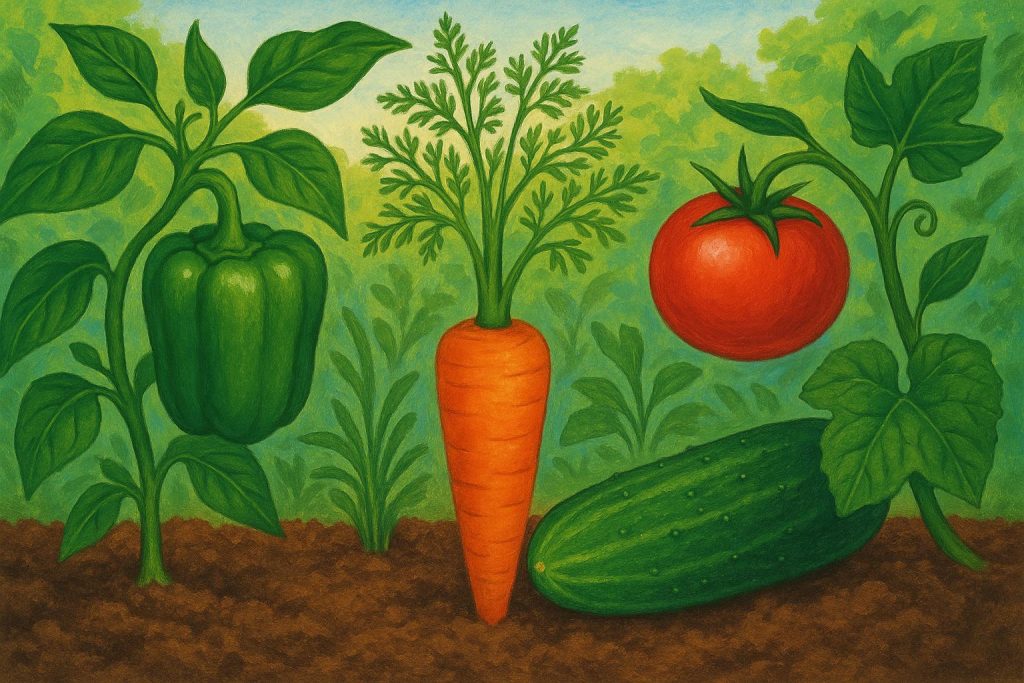
Tomatoes rank among the most manageable vegetables, and represent a strong choice for first-time gardeners. However, even tomatoes require time and care, so gardeners should do a little research before planting. Generally speaking, the smaller the tomatoes, the easier they are to grow. Cherry tomatoes, for instance, are especially easy to grow, along with Romas and other paste tomatoes. Matt’s Wild Cherry is a small variety – the plants produce large numbers of tomatoes that are perfect for snacking, and they do not require many stakes.
When choosing tomato variants and other vegetables, home gardeners must consider several factors, including the climate. Individuals who live in warm regions and experience hot summers, for example, should consider heat-resistant vegetables, such as Juliet tomatoes.
Beans are another solid choice for inexperienced vegetable gardeners. Like tomatoes, beans still demand some level of research and attention, particularly when considering the diversity of options. Blue Lake beans are a high-yielding green bean variety that gardeners can freeze, can, or eat fresh. They grow as well as pole beans or bush beans, providing gardeners with great flexibility. Furthermore, Blue Lake beans are a hearty, pest-resistant green bean. Gardeners who want a little more variety can partner their Blue Lake seeds with Kentucky Wonder, a pole bean that can grow vines up to eight feet in length.
Finally, zucchini and summer squash provide novice gardeners with several advantages. A single zucchini plant produces more vegetables than the average family can eat, and gardeners will find themselves sharing with neighbors and friends throughout the season. These aggressive plants thrive with minimal input from gardeners. Summer squash plants, meanwhile, are very heat-resistant and can survive droughts and imperfect soil conditions.
About Daniel Matuk
Daniel Matuk is a freelance graphic designer based in New York City, New York, with experience developing digital and print materials for clients such as Bardavon 1869 Opera House, Three Six Zero Industries, and Crinkerland. His expertise includes marketing collateral, UX design, typography, and brand development. Since beginning his freelance career in 2010, he has collaborated across teams to deliver cohesive design solutions while managing multiple projects and staying current with evolving industry trends.

